1. Home
  2. Applications
  3. Cotton Fiber / Cellulose

Cotton Fiber / Cellulose Dewatering Screw Press

In industries ranging from textiles to pharmaceuticals, cotton fiber and cellulose-based materials often emerge in a wet, fibrous slurry form. Whether coming from recycling processes, fiber preparation, or extraction, these materials are typically saturated with water, making storage, drying, and further processing inefficient and costly. Our Dewatering Screw Press offers an ideal solution to handle such slurries — delivering high throughput and consistent performance for even the most challenging fibrous materials.

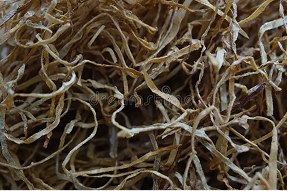
Cotton-Fiber-Cellulose

Nature of the Material

Cotton and cellulose fibers have:

  • High water retention and absorbency
  • A tendency to mat or bridge under pressure
  • Fine fibrous consistency that resists traditional dewatering methods

The slurry is often a result of pre-treatment processes such as disinfection, enzymatic treatment, or washing, especially in cotton recycling setups.

Proven Application in Cotton Recycling

We’ve executed multiple large-scale projects for major retail brands focusing on cotton recycling from leftover textile waste. In these setups:

  • Cotton fibers are washed in water at a 10:1 ratio (10 parts water to 1 part fiber) to disinfect and clean the material.
  • This results in a slurry at approximately 10% solids, which is not viable for drying or sheet formation without pre-dewatering.
  • Our Dewatering Screw Press increases the consistency to 30–35%, drastically cutting down the load on dryers.

Cellulose Recovery from Sanitary Pads

In addition to textile waste, our dewatering screw press has been successfully applied in the recycling of cellulose from sanitary pads. While the recovery process is proprietary to our client, the material follows a similar path:
  • The cellulose is disinfected, cleaned, and recovered.
  • It is then processed through the Dewatering Screw Press, achieving a significant increase in consistency, ideal for further processing into paper and other cellulose-based products.

Equipment Highlights

  • Screw design optimized for fine and soft fibers
  • Self-cleaning screen zone to avoid blinding due to matted cotton
  • Adjustable compression ratios and screen perforation based on fiber length and slurry properties
  • Available in stainless steel for hygiene-sensitive processes

Moisture & Efficiency Parameters

  • Inlet Moisture: ~90% (10% solids)
  • Outlet Moisture: 65–70% (30–35% solids)
  • Volume Reduction: Over 60%, depending on feed uniformity

By removing the excess free water mechanically before drying, energy consumption is significantly reduced — contributing to more sustainable production cycles.

Typical Applications

  • Textile waste recycling
  • Padding and insulation sheet formation
  • Bio-composite reinforcement
  • Cellulose pulp drying
  • Industrial and pharma-grade fiber processing
  • Cellulose recovery from sanitary pad recycling