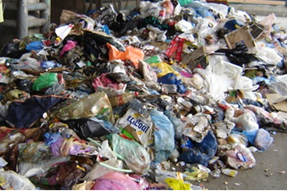
In the paper manufacturing industry, pulp rejects are an inevitable part of the process. These are typically generated during pulp screening and refining stages and consist of unusable fibers, plastic contaminants, adhesives, dirt, and other debris. Though classified as waste, this byproduct can be effectively managed and utilized with the help of a Dewatering Screw Press, transforming an environmental liability into a manageable and, in some cases, reusable material.
Pulp rejects are discharged from the plant’s waste stream at an extremely low consistency of just 1–2% solids, making them very dilute, bulky, and expensive to handle or dispose of. The high water content not only increases transportation and disposal costs but also poses challenges in terms of space, hygiene, and environmental compliance.
To ensure optimal performance of the screw press, the first critical step is pre-thickening the pulp rejects. This is commonly done using a Side Hill Screen (Parabolic Screen) or a Rotary Drum Screen, which increases the consistency from 1–2% up to 8–10%. This intermediate consistency is ideal for screw press operation, as a lower feed consistency can result in poor dewatering efficiency and higher energy usage.
Once thickened, the material is fed into the Dewatering Screw Press, which efficiently removes a large portion of the absorbed and free water. Based on pulp characteristics, the screw press increases consistency from 8% up to 30–40% in a single pass. This over 70% reduction in water volume transforms the pulp rejects into a much denser and drier output—significantly reducing handling costs and opening up possibilities for further utilization