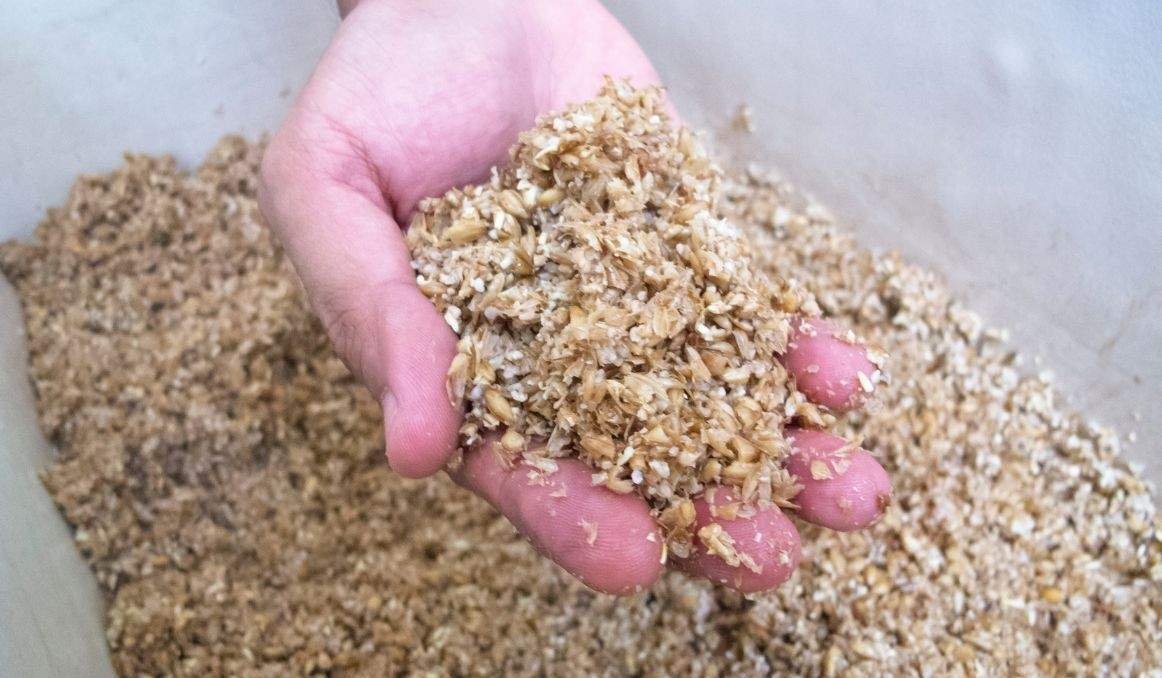
Spent grain, primarily consisting of barley and other grains, is the byproduct left after the brewing and distilling processes. It is produced during the mashing and lautering stages, where the fermentable sugars are extracted to create wort for beer or spirits. Although spent grain retains nutritional value, most of its sugars are removed, leaving behind a fibrous material with high moisture content.
Spent grain typically has 80-85% moisture, making it heavy, bulky, and prone to spoilage. Dewatering using a screw press efficiently reduces the moisture content to around 55%, offering numerous benefits that enhance its value and sustainability:
- Reduced Weight and Volume: Dewatering reduces the bulk of spent grain, making it lighter, easier to handle, transport, and store, significantly lowering logistics costs.
- Extended Shelf Life: By lowering moisture levels, the risk of spoilage is reduced, and the material can be stored for longer periods without degradation.
- Increased Value as Byproduct: With reduced moisture, spent grain becomes more suitable for use as high-protein animal feed or can be repurposed as biomass fuel for energy generation.
The fibrous and compressible nature of spent grain makes it perfectly suited for dewatering with a screw press. This machine uses mechanical pressure to remove excess moisture while maintaining the structure and nutritional value of the grain. It offers significant advantages in processing efficiency, handling, and sustainability.
As industries move toward more sustainable practices, dewatering spent grain offers key environmental and economic benefits. Reducing the moisture content upfront means less energy is required during the drying process. This offers the following advantages:
- Lower Energy Consumption: The screw press reduces moisture before drying, drastically cutting down the amount of energy or fuel required to dry the material, making the process more energy-efficient.
- Reduced Carbon Footprint: With shorter drying times and reduced energy use, breweries and distilleries can lower their environmental impact and align with sustainability goals.
- Cost Savings: Reduced moisture content translates to less energy consumption, making the overall production process more cost-effective.
The Spent Brewer’s and Distillery Waste Dewatering Screw Press is a vital tool in transforming spent grain from waste into a valuable resource. By reducing moisture content and improving handling, this technology enhances the efficiency, sustainability, and profitability of breweries and distilleries. Additionally, it contributes to the circular economy, helping to create renewable energy from byproducts and significantly reducing environmental impact.